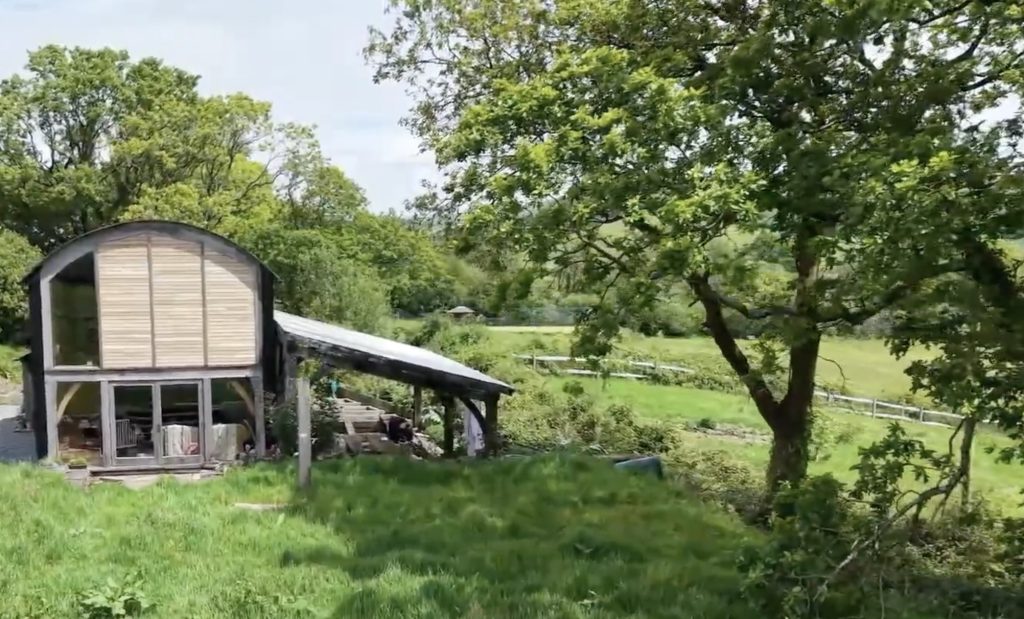
Thermally modified poplar cladding is becoming an increasingly popular choice for architects, designers, and homeowners looking for a sustainable and visually appealing exterior timber solution. By using a controlled heat treatment process, poplar is transformed into a more durable and stable material, improving its resistance to moisture, decay, and dimensional movement. This makes it a strong alternative to traditional untreated timber cladding while maintaining the natural beauty and character that makes hardwoods so desirable.
An Authentic and Natural Solution
Sourced from responsibly managed forests, UK Hardwoods offer a natural option for projects that prioritise sustainability and long-term performance. Thermally modified poplar combines the warm appearance of real wood with enhanced durability, making it suitable for modern buildings, renovations, and outdoor applications. The process alters the wood’s structure without the need for chemical preservatives, helping to create a more environmentally conscious cladding choice with a lower maintenance requirement.
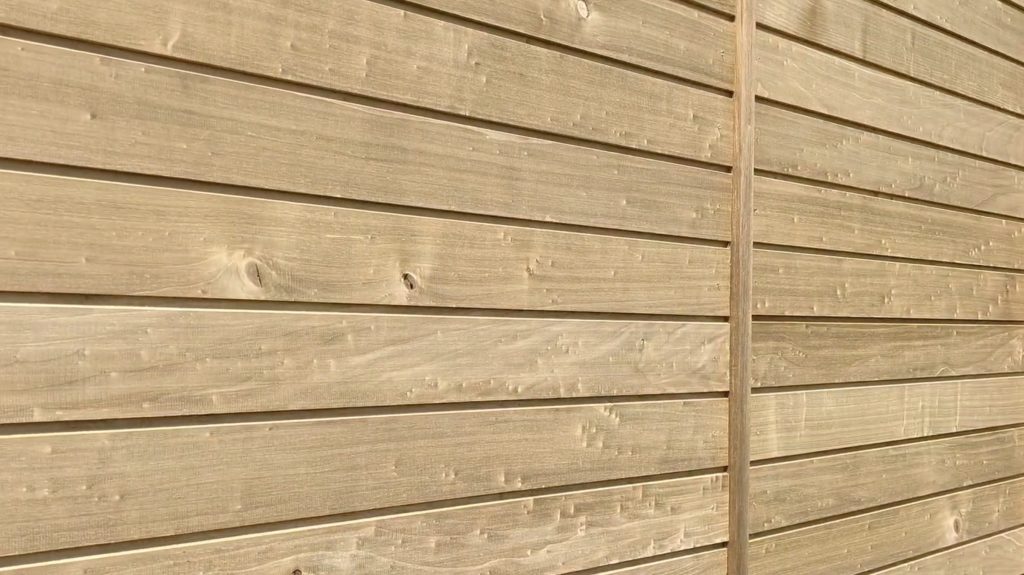
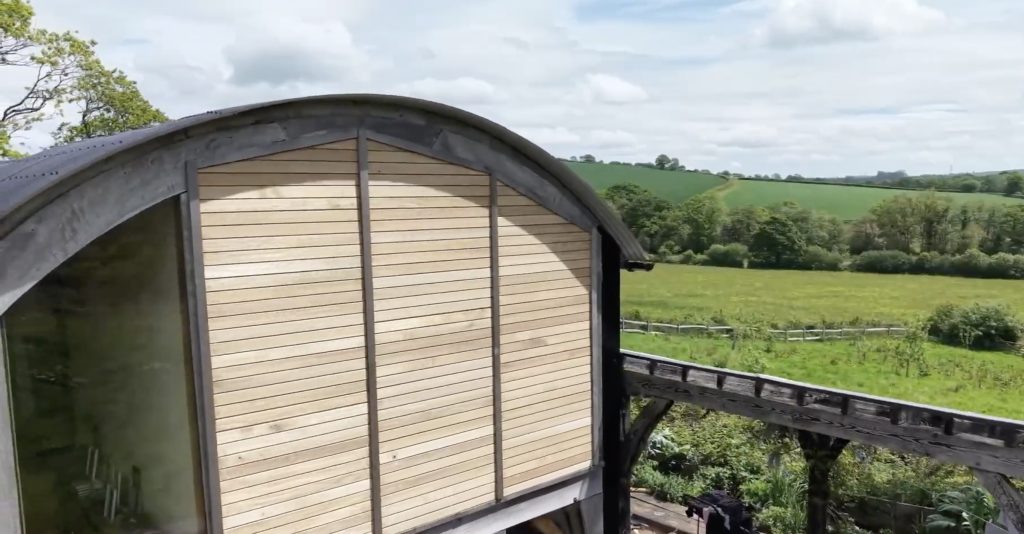
Thermally Modified Poplar Cladding
Two of the standout features of thermally modified poplar cladding is its distinctive uniform appearance and lighter in weight when compared to Thermally Modified ash. Choosing Thermally Modified Poplar creates a contemporary finish that complements both traditional and modern architecture. Over time, the timber can develop an attractive silver-grey patina if left untreated, or it can be maintained with suitable finishes to preserve its original tones.
Responsible Building Materials
Choosing thermally modified poplar cladding allows designers and property owners to achieve a balance between aesthetics, performance, and sustainability. Its improved stability, natural resistance, and timeless appearance make it an excellent option for exterior walls, garden buildings, and architectural features. As demand grows for responsible building materials, British Hardwoods such as thermally modified poplar continue to demonstrate how natural timber can meet the needs of modern construction. For advice on how to choose a profile for your project, watch this helpful video from Polly here.